
# The Financial Rollercoaster: Building an Emergency Fund and Navigating Unexpected Expenses
## Introduction: Understanding Financial Resilience
In today’s economic landscape, financial security is a top concern for millennials and Gen Z professionals. Many of us are striving to save and build an emergency fund, only to be hit by unexpected expenses that feel insurmountable. This cycle can be disheartening, but it is essential to navigate these financial waters with awareness and strategy. In this article, we will explore how to establish a strong financial foundation, prepare for the unexpected, and develop resilience beyond the numbers.
—
## The Importance of an Emergency Fund
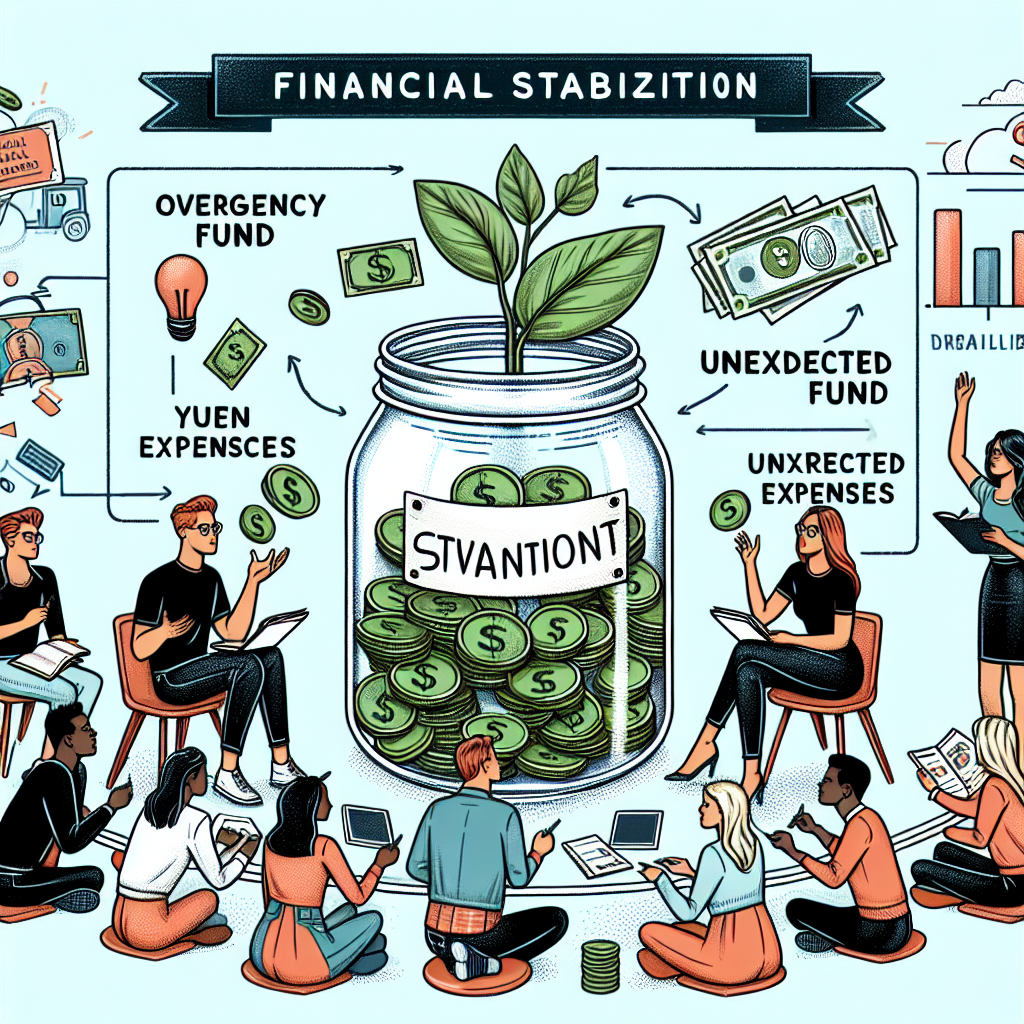
An emergency fund acts as a financial safety net, covering unexpected expenses that can arise at any moment—be it a medical emergency, car repair, or even household issues. For many young professionals, saving money can feel like an uphill battle amid student loans, rent, and everyday expenses. However, having a well-structured savings strategy is crucial.
### Setting Savings Goals
Before diving into savings, it’s important to set realistic goals. Start small, aiming to save a few hundred dollars initially, then gradually increase your target. The goal should be to have three to six months’ worth of expenses saved—if you can, ideally.
#### Methods of Saving
Utilizing platforms like budgeting apps can greatly assist in tracking spending and saving habits. Consider setting automatic transfers from your checking to savings account each month. Even a small, consistent contribution can add up significantly over time.
—
## The Unforeseen Expenses: A Reality Check
Despite meticulous planning, life throws curveballs that may force us to dip into our hard-earned savings. For instance, consider the experience of a young professional who diligently saved $1,000 for their emergency fund only to face a $2,847 vet bill when their beloved pet fell ill. This situation exemplifies the urgent need for additional financial resources beyond the safety net we aim to create.
### Managing Stress and Anxiety
Encountering unexpected costs, especially significant ones, can be incredibly stressful. The key is to remain calm and assess options rationally. Yes, it can be disheartening to feel as though you’re starting over, but recognizing that financial setbacks are a common part of life might relieve some pressure.
### Take Advantage of Credit Wisely
While it can be tempting to immediately rely on credit cards or loans during emergencies, this approach can lead to more stress in the long run due to high-interest rates. Tools such as CareCredit offer specific lending options for medical expenses and can be a viable solution. The goal is to balance immediate needs with long-term financial stability.
—
## Reassessing Your Financial Strategy After Setbacks
After navigating an emergency, reassessing your approach to financial planning is essential. Here’s how you can strengthen your financial foundation moving forward:
### 1. Laying Out the Next Steps
Once you stabilize after an emergency, develop a structured plan to rebuild your savings. This could involve small, consistent contributions to your savings account or even finding new income streams, such as freelance work or side gigs.
### 2. Cultivating a Resilient Mindset
Adopting a resilient mindset will help you face future challenges with confidence. Understand that setbacks do not define your financial journey; rather, they serve as learning experiences. Focus on building healthy financial habits and staying adaptable. Remember that small steps towards recovery can lead to significant progress over time.
### 3. Being Proactive with Insurance
Investing in the right insurance can mitigate the cycle of unexpected costs. Research health insurance plans, pet insurance, or renter’s insurance that can shield you from financial burdens. Being proactive can provide peace of mind when emergencies arise.
—
## Takeaway: Build Fortitude, Not Fear
Building an emergency fund and navigating unexpected expenses is a learning process fraught with ups and downs. Each financial setback can be a lesson in resilience—teaching us to prepare, adapt, and recover. Recognize the value of having a financial safety net, but equally understand that life is unpredictable, and that’s okay.
Financial independence is not about eradicating all challenges; it’s about managing them wisely and with confidence. By leveraging strategies that enhance your savings, embrace emergencies, and cultivate a proactive mindset, you’ll not only bounce back from setbacks but emerge even stronger.
Prepare today, adapt tomorrow, and thrive in every financial circumstance thrown your way.
Leave a Reply