
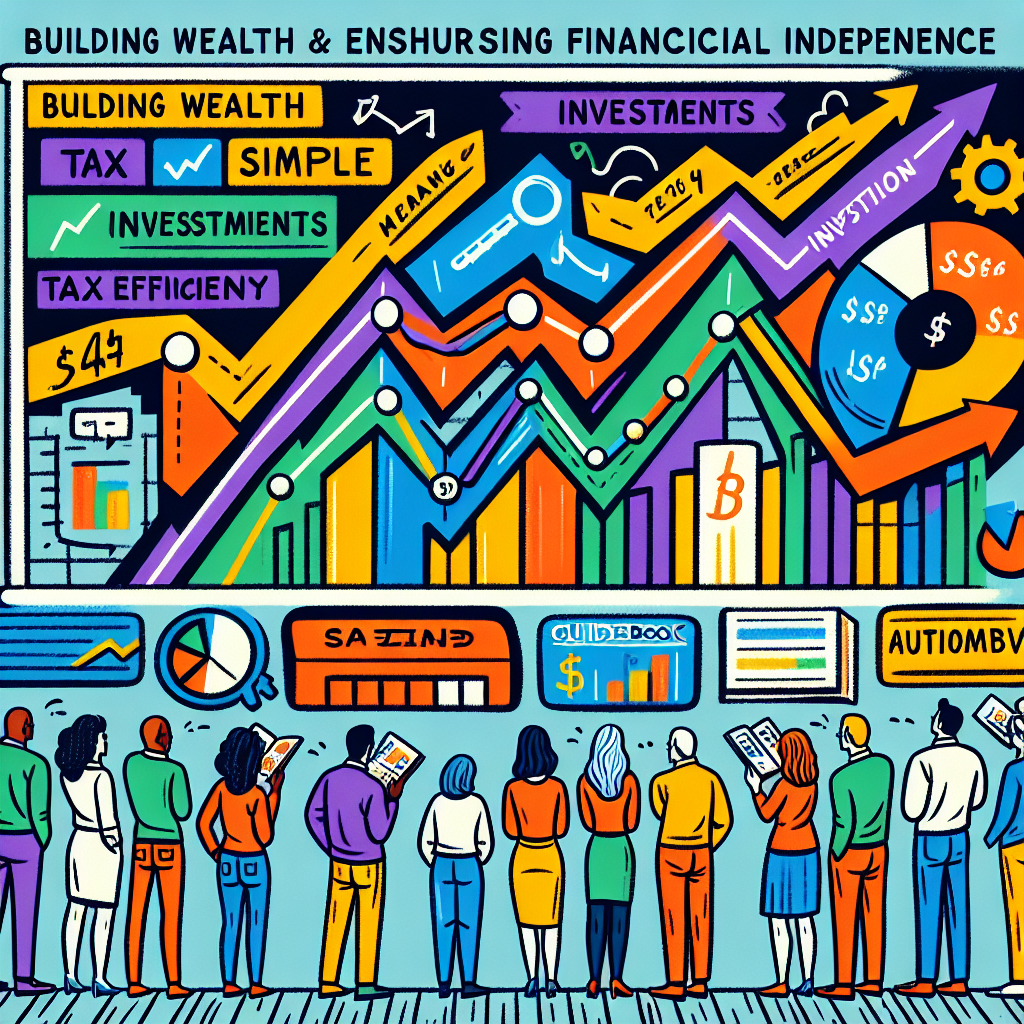
# Unlocking the Future: Empowering Millennials and Gen-Z Through Strategic Retirement Preparedness
Retirement might feel like a far-off development for many millennials and Gen-Z professionals; however, today’s trend indicates a pressing need for early and proactive financial planning. According to a recent study from the Transamerica Center for Retirement Studies, 70% of millennials and nearly 50% of Gen-Z wish they had started saving earlier. The daunting reality is that typical savings rates are below what is necessary to retire comfortably. But with the right insights and strategies, financial freedom is within reach.
## Financial Preparedness: The Foundation
**Emergency Fund Establishment**
Before stepping into the investment arena, it’s crucial to ensure a sound financial base. An emergency fund composed of three to six months’ worth of expenses provides a cushion against unexpected financial shocks. In an economy characterized by volatility, this safety net offers a degree of stability and peace of mind, crucial for anyone on a wealth-building journey.
### Employer-Sponsored Retirement Plans
Once your base is established, leverage employer-sponsored retirement plans, particularly focusing on those that offer contribution matching. According to recent findings, failure to capitalize on employer matching is akin to leaving free money on the table. Additionally, prioritizing high-interest debts, like credit cards and student loans, is essential; high-interest costs can severely malnourish your financial growth.
## Saving Strategies: Setting Smart Targets
**A Strong Savings Rate**
Research suggests that individuals should aim to save at least 15% of their after-tax income for retirement, while those starting later in their careers or eyeing early retirement might need to escalate this figure to 20% or more. This principle empowers you to build a robust retirement fund capable of supporting your aspirations later in life.
When calculating your contributions, don’t forget to include employer-sponsored plans. Periodic evaluations of your overall financial health are necessary to ensure you’re on track with your financial goals.
## Investing Wisely: The Long-Term Approach
**Simplicity Over Complexity**
Investing can often appear overwhelming, but adhering to the fundamental principles of simplicity and low costs is fundamental. Broad diversification minimizes risk; rather than attempting to predict the next big stock, embracing low-cost index funds exposes you to a wide range of assets, smoothing out market volatility.
Tax-advantaged accounts, including 401(k)s and IRAs, should be your first step into investing. As a rule of thumb, it’s advisable to prioritize these accounts before venturing into taxable brokerage options.
**Tax Efficiency**
Understanding taxation’s impact on your investments is crucial. For instance, consider keeping high-yield bond funds within tax-deferred accounts and leveraging ETFs within taxable ones. Given that investment fees can diminish returns significantly (just a 1% fee can cost you 20% of your nest egg over several decades), maintaining tax-efficient investments is imperative.
## Automating Savings: Profiting from Effortlessness
**Set It and Forget It**
The pathway to consistent wealth building is often paved with automation. By establishing automatic contributions to retirement accounts, you can ensure savings become an effortless habit. This strategy reduces the anxiety tied to market fluctuations; through consistent investments, buying during market dips becomes a built-in advantage.
## Commitment to Strategy: The Investment Policy Statement (IPS)
**Staying Grounded**
As investments can inspire emotional decisions, drafting an Investment Policy Statement (IPS) can act as your financial compass. It articulates your investment strategy, goals, and guidelines while offering a structured approach during uncertain times. Referencing this document regularly is essential to stay aligned with your financial journey.
## Key Takeaways: Cultivating Future Wealth
As you embark on the path toward financial independence, the primary focus should be on creating a sustainable wealth foundation. Starting early, staying informed, and disciplined will elevate your financial preparedness. Each decision made today steers the trajectory of your future, redirecting the course toward the life you desire in retirement.
In a fast-paced world of instant gratification, it’s vital to view the broader picture. As you navigate your financial decisions, strive for balance and intentionality to nurture a wealthy tomorrow.
### Reflective Question
With these strategies in mind, how will you adjust your current approach to wealth building to ensure a more secure financial future?
Leave a Reply