
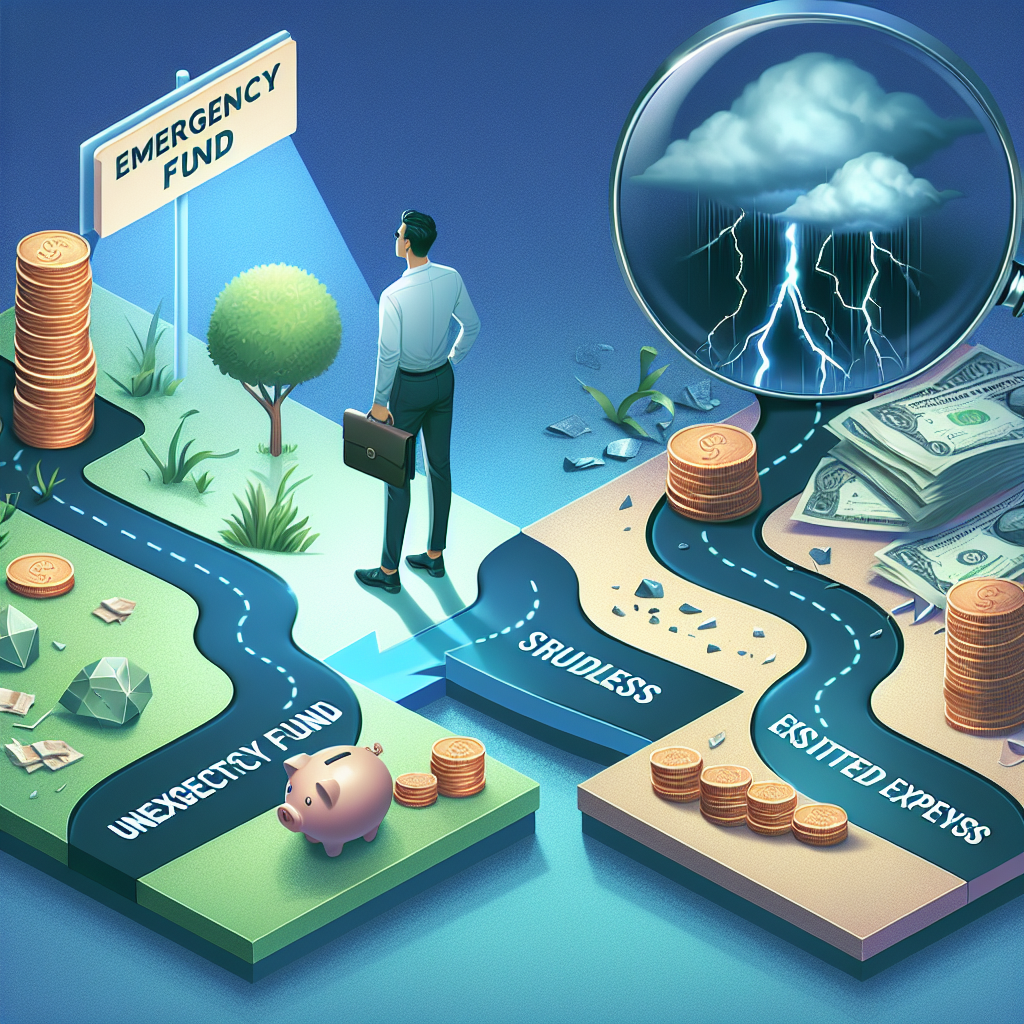
# From Emergency Fund to Unexpected Expenses: Navigating Financial Setbacks Like a Pro
## Introduction
As young professionals stepping into adulthood, we’ve all fantasized about having a security blanket—an emergency fund. After months of budgeting and sacrificing, reaching that milestone feels triumphant. But what happens when life throws an unexpected curveball, sending your hard-earned savings right back to square one? This article aims to empower millennials and Gen-Z professionals to navigate the often turbulent waters of finance, equipping you with strategies to not only rebuild but also thrive after setbacks.
—
### The Rise of the Emergency Fund
Creating an emergency fund is an essential step towards financial security. Many of us have dedicated hours to side hustles, selling old items online, or cutting down on spending to make this dream a reality. According to financial experts, having at least three to six months’ worth of expenses saved can shield you from life’s unpredictable nature. But while building an emergency fund is crucial, the reality is that it’s often put to the test.
### The Shock of Unexpected Expenses
Consider this scenario: you’ve worked tirelessly to save your first $1,000. That money feels sacred after months of restraint and hustle, like a badge of honor. However, one day, your beloved pet suddenly becomes ill, and the emergency vet bills sprint towards you at lightning speed. The emotional weight of choosing between saving your pet or maintaining your savings can be overwhelming. This duality highlights an essential lesson: while preparing for emergencies is vital, the unpredictability of life is equally real.
### Finding Solutions in Times of Crisis
When faced with an emergency expense, it’s easy to panic and feel defeated. But there are actionable steps you can take to navigate these challenges:
#### 1. **Evaluate Your Options:**
Before making a hasty decision, assess your financial situation. If your emergency fund is depleted, consider alternative solutions such as:
– Applying for credit options like CareCredit, which can help manage veterinary bills.
– Exploring payment plans with your provider, whether it’s a vet or another service.
#### 2. **Communicate and Plan:**
Engaging in open conversations with your financial institutions can lead to leniency on payments or fees. Discussing your situation can foster understanding and potentially help you negotiate more manageable terms.
#### 3. **Learn from the Experience:**
Every financial setback is a lesson waiting to be learned. Use this experience to adjust your strategies moving forward:
– Consider setting up multiple savings accounts for specific needs (e.g., pet emergencies, car repairs).
– Reinforce the habit of saving a little extra each month to cushion against future setbacks.
### Building Resilience in Your Financial Journey
Resilience is the cornerstone of any financial strategy. Just because your emergency fund has taken a hit doesn’t mean you can’t rebuild it stronger. Here are some ways to forge ahead with renewed determination:
#### 1. **Start Small, Build Back Gradually:**
Take it one step at a time. Set a new, smaller savings goal for your emergency fund. For instance, aim for an additional $300 in the next three months. Celebrate each milestone, no matter how small.
#### 2. **Diversify Your Income Sources:**
Strengthening your income can create a buffer against future financial dangers. Look for side gigs that align with your skills and passions, or consider investing in new skills that could advance your career.
#### 3. **Stay Informed:**
Financial literacy is a powerful tool. Seek out resources—books, podcasts, or online forums—to increase your knowledge. Understanding personal finance fosters confidence and enables better decision-making.
### Takeaway
Life’s unexpected hiccups can feel disheartening, but they also serve as reminders of the importance of financial planning and resilience. As millennials and Gen-Z professionals, it’s our responsibility to approach these challenges with empowerment rather than fear. Emergency funds are just one aspect of financial wellness; prepare yourself to think critically, pivot quickly, and emerge stronger following life’s unexpected curveballs.
While setbacks may temporarily reduce your savings, remember that each setback can be met with a plan for recovery, reinforcing your financial foundation. You’ve got this! Embrace your journey and continue to build a bright financial future, one saving at a time.
Leave a Reply