
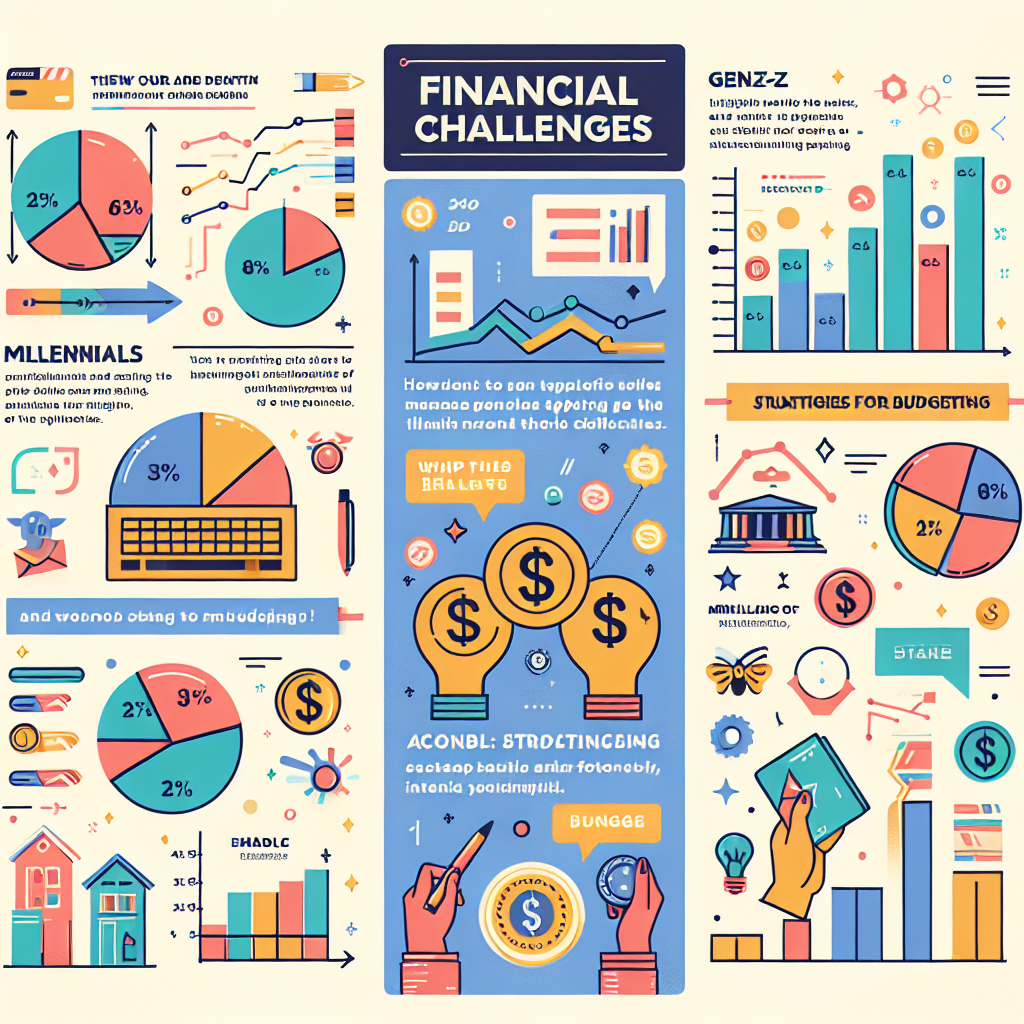
# Mastering Your Budget: An Analytical Perspective for Millennials and Gen-Z Professionals
Managing finances can feel like scaling a mountain, especially for millennials and Gen-Z professionals navigating a landscape riddled with economic uncertainties. For many, budgeting isn’t just budgeting; it’s the path to financial independence and peace of mind amidst rising costs and ever-evolving financial responsibilities. In this article, we present an investigative analysis of contemporary budgeting strategies while examining trends affecting your financial health.
## Understanding Your Financial Landscape
As a generation steeped in technology and information, the complexities of today’s financial universe require a sharp analytical lens. The statistics are staggering—according to recent research from the Federal Reserve, more than 60% of millennials live paycheck to paycheck. In contrast, Gen-Z professionals, having only just begun their financial journeys, are already facing daunting hurdles, such as student debt levels surpassing $1.7 trillion.
### Start with a Deep Dive into Income
The first cornerstone of effective budgeting involves understanding your income sources. Despite employment growth post-pandemic, job stability remains a concern for young professionals. Thus, diversify your income streams whenever possible, whether through side gigs, freelance work, or passive income investments. Having multiple income sources allows for a buffer against economic fluctuations, providing a clearer picture of your realistic budget.
### The Fixed vs. Variable Expense Conundrum
Before jumping into strategies for budgeting, it’s crucial to differentiate between fixed and variable expenses thoroughly.
– **Fixed Expenses**: Typically include essential bills like rent, utilities, and student loans. These usually don’t change monthly and are often unavoidable.
– **Variable Expenses**: These fluctuate from month to month and encompass groceries, eating out, entertainment, and discretionary spending. Understanding this distinction can reveal areas for potential savings.
## Grocery Budgeting Strategies
Grocery costs have soared over recent years, and Millennial and Gen-Z consumers must find ways to stretch their dollars.
### Meal Planning and Bulk Buying
Research shows that meal planning can lower grocery bills by up to 30%. Create a structured meal plan to eliminate impulsive buys and food waste. Buy in bulk where feasible, particularly for items with long shelf lives.
– **Example Meal Plan**: Create a week-long recipe structure to prepare easy dishes focusing on seasonal produce, which can be less expensive. This transforms mealtime necessity into a cost-saving strategy.
### Opting for Generic Brands
The choice between branded and generic products can significantly impact your budget. Market data indicates that opting for generic brands could save up to 20%. This strategy not only provides quality substitutes but also establishes healthier shopping habits.
### Community Knowledge Leverage
Engaging with community resources, whether through conversations with friends or social media groups, can lead to the discovery of local deals, discounts, or sharing resources. Participating in community forums can turn this social capital into tangible financial savings.
## Managing Household Budgets
For those managing households, particularly parents or caregivers, establishing a comprehensive view of collective finances is a priority.
### Allocate a Detailed Budget
Establishing a breakdown of the expected versus actual spending is essential. Determine how much of your income should go toward various categories, like housing, savings, and discretionary spending.
### Embrace Budgeting Apps
Modern apps like YNAB and Mint offer seamless ways to track and summarize expenses. A recent report indicates that users of budgeting apps manage their finances more effectively, by as much as 25% less in discretionary spending on average. Use these platforms to visualize your financial health and ensure accountability.
## Embracing Change in Insurance Costs
Health insurance remains one of the most significant expenses for young professionals. With increasing premiums disrupting budgets, reevaluating your options is vital.
### Costs vs. Benefits
Understanding the value of comprehensive health coverage that fits your lifestyle and healthcare needs is key. A substantial percentage of young healthcare consumers find themselves underinsured, which can lead to increased expenses later on.
### Alternative Options
Research employer-sponsored plans or marketplaces for potential savings. High-deductible health plans paired with Health Savings Accounts can offer substantial tax advantages for those prepared for medical expenses.
## Concluding Thoughts: Empowering Your Financial Journey
Millennials and Gen-Z professionals have the opportunity to redefine their financial futures. Understanding budgeting is not simply about restriction; it’s about cultivating flexibility and resilience in your financial habits. By embracing these strategic insights, you can improve your financial prowess, making informed decisions about savings and spending while navigating today’s economic challenges.
Reflect on this question: **How equipped do you feel to take decisive financial actions that can shape your future, and what steps will you take this month to strengthen your budgeting strategies?**
Leave a Reply