
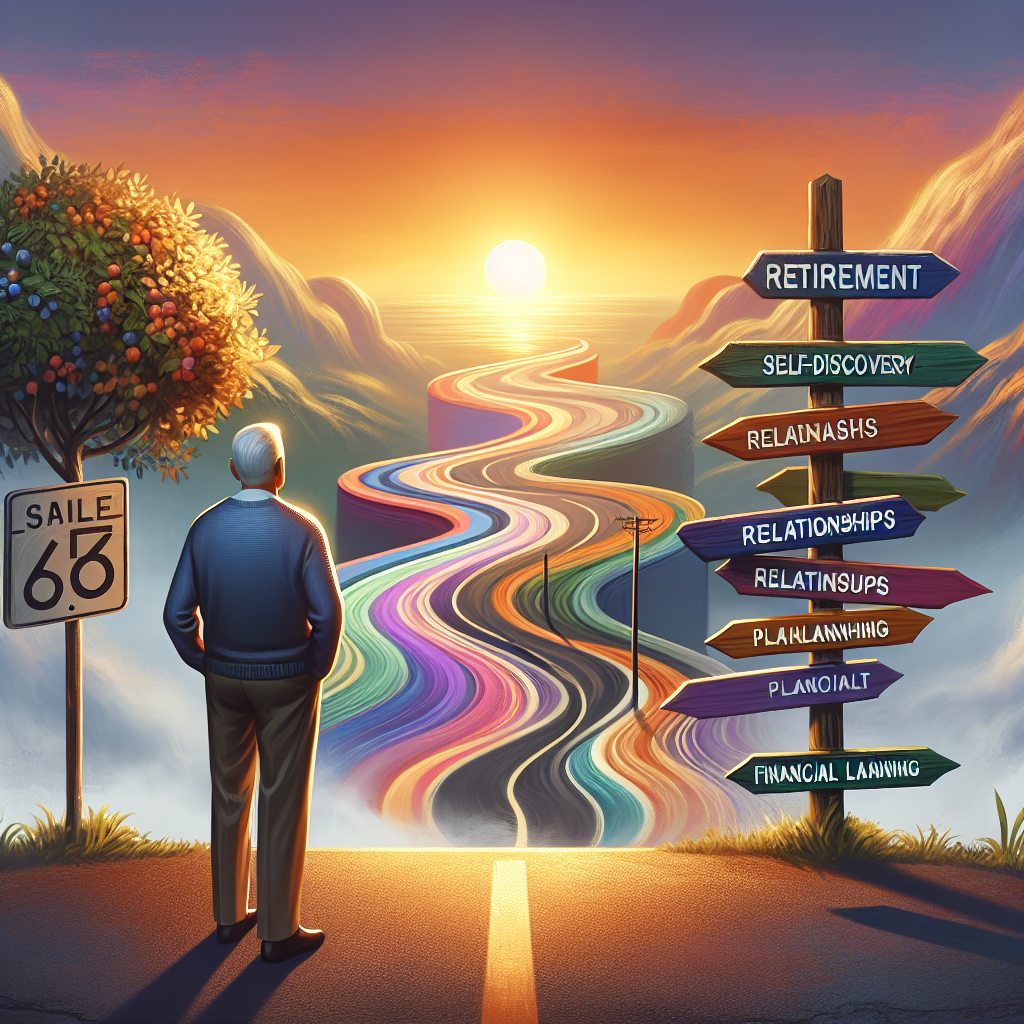
## Embracing the Pause: Finding Your Identity in Retirement
Retirement is often depicted as the ultimate goal, where the daily grind of work gives way to leisure and freedom. For many millennials and Gen-Z professionals, the idea of retirement can seem distant, potentially symbolizing a life that lacks purpose. However, retirement is more than just a finish line; it’s an opportunity to reconnect with oneself. This article explores the art of “being,” rather than just “doing,” during retirement, offering insights on how to navigate this profound life transition while discovering your true identity.
—
**The Weight of Responsibilities**
In today’s fast-paced world, our lives are filled with an endless list of tasks and responsibilities. From hustling in demanding careers to juggling personal commitments, many of us have become experts in the art of doing. Yet, what happens when we are finally gifted with time? How do we shift from a lifetime of action to embracing the stillness of simply being?
After retirement, many individuals find themselves staring at the vast expanse of time ahead—time that was once consumed by work obligations and family duties. The sudden transition can feel disorienting and even overwhelming. This newfound space often leads to reflection, prompting questions about identity and purpose. Am I still the person I used to be? What do I want to pursue now that I have the freedom?
—
**Rediscovering the Art of Being**
The truth is that leaving the structure of a career can be liberating, but it can also expose uncomfortable feelings of guilt and stagnation. Many retirees initially struggle with the concept of not producing something of tangible value every day. However, learning to appreciate the art of being can be transformative.
Here are some ways to embrace this newfound freedom:
1. **Explore New Passions:**
Retirement provides the perfect opportunity to delve into hobbies or interests that may have taken a backseat during your working years. Whether it’s painting, gardening, or hiking, engaging in activities for pure enjoyment can lead to self-discovery.
2. **Practice Mindfulness:**
Mindfulness techniques such as meditation or yoga can help cultivate a deeper connection to oneself, promoting a sense of peace amidst uncertainty. Taking moments to simply observe your thoughts and surroundings can usher in clarity and understanding.
3. **Forge New Connections:**
Use this time to connect with others, whether it’s through volunteering or joining community groups. Building relationships can offer new experiences and perspectives, reminding you that your life is still rich and dynamic.
4. **Set Intentional Goals:**
Retirement doesn’t mean you should stop aspiring to achieve new things. Setting intentional, achievable goals can help give your newfound time structure without the pressure of a traditional job.
—
**Navigating Relationships in Retirement**
One often-overlooked aspect of retirement is how it affects personal relationships, particularly between partners. It’s essential to recognize that each partner might have different interests and desires for this phase of life. This can lead to conversations about how best to support one another’s individual journeys while still finding time to enjoy shared experiences together.
Consider scheduling regular discussions to talk about expectations, hobbies, and adventures you’re eager to pursue. Mutual understanding is key; support can flourish when you openly discuss how you envision retirement individually and as a team.
—
**Financial Wellness in Retirement**
For millennials and Gen-Z, transitioning into retirement might seem financially daunting, but it’s still vital to approach this phase with a plan. Many are curious about how retirement will affect their spending habits. It’s not uncommon for expenses to shift after retirement, whether due to travel plans or new hobbies.
Be proactive in monitoring your budget and remain adaptable in your spending patterns. Understanding your financial situation can alleviate potential stress and ensure you have the resources to engage in the activities that resonate with you.
—
**Takeaway: The Gift of Transition**
Ultimately, retirement isn’t just about the absence of work; it is a profound transition that encourages us to explore who we are at our core. It is an invitation to rediscover forgotten joys, carve out fresh interests, and revitalize old passions. This phase is a gift—a chance to engage with ourselves and the world in new and exciting ways.
As you navigate this transition, remember to give yourself grace. Every day doesn’t have to be filled with productivity. Embrace the empty spaces and allow the beauty of being to fill your life. After all, it is in these moments of simply being that we often find the truest version of ourselves.
Leave a Reply