
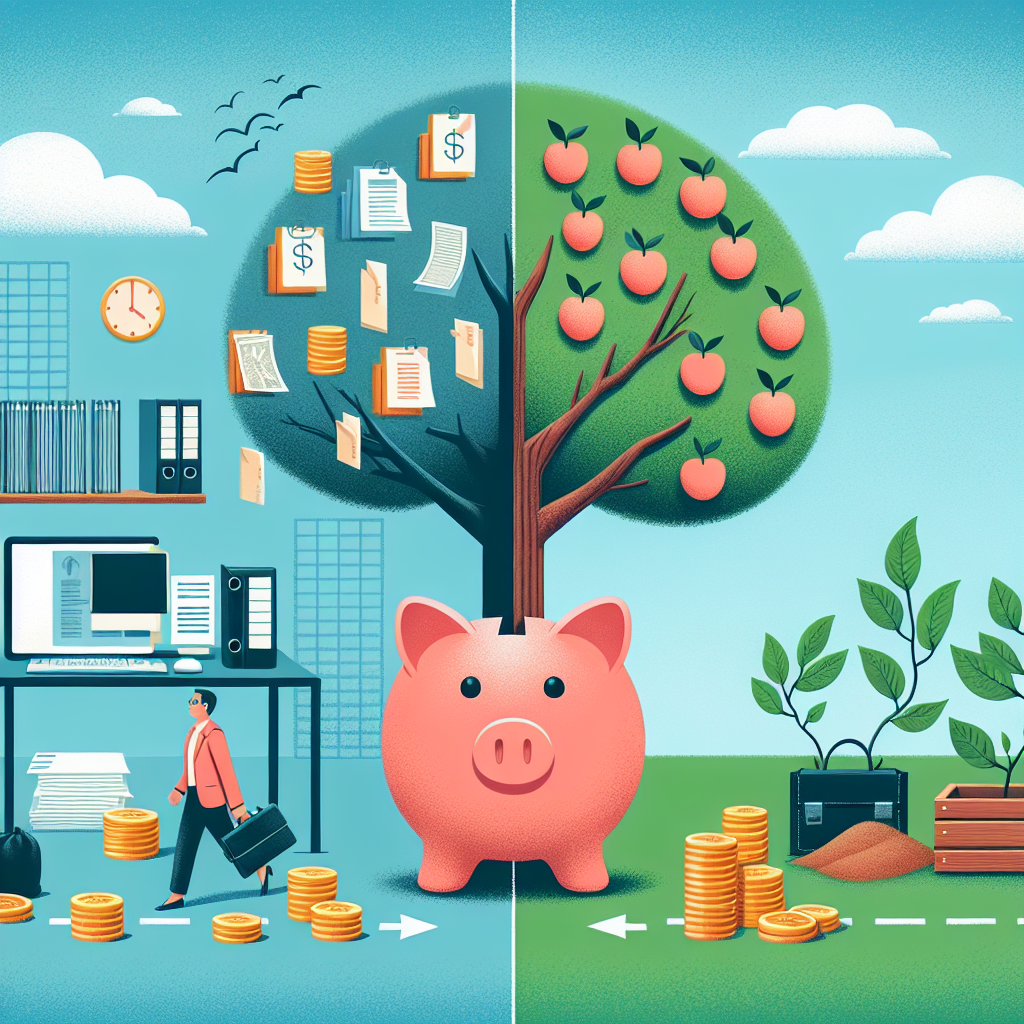
# The Financial Freedom of Being: Embracing Retirement Beyond the Nine-to-Five
Retirement marks not just the end of a career, but a profound shift in our personal and financial lives. Many millennials and Gen Z professionals may think of retirement as something far away, yet planning for this phase is crucial for both personal growth and financial stability. This article reflects on the financial implications of moving from a ‘doing’ mindset to a ‘being’ mindset and provides strategies for wealth accumulation in retirement.
## The Weight of ‘Doing’
In a society that celebrates achievement, many feel compelled to measure their worth through productivity. The lifestyle of the working population often resembles a relentless race against time—deadlines loom, tasks multiply, and a sense of pressure mounts. This ‘doing’ can distract us from truly understanding our financial needs and aspirations beyond work as our identities become intertwined with our job titles.
Yet, the moment we enter retirement, we may encounter the unsettling freedom of ‘being’. It’s a time when we should ask ourselves: Who am I outside my work? Unfortunately, this introspection often comes only during this transitional period, leaving many grappling with a new identity and its corresponding costs.
## The Shift from Doing to Being
During retirement, the stark absence of daily work responsibilities can evoke feelings of ineffectiveness in many. Questions abound: How will I fill my days? What inherent value do I bring without a job? Understanding that embracing a ‘being’ mentality can open avenues for self-exploration is crucial at this time.
Whether it’s honing a craft, volunteering, or developing new friendships, retirees can use this newfound time to flourish. But this shift also has financial ramifications. Many retirees find themselves exploring hobbies that may also come with a price tag—traveling, art classes, or sports leagues, which could lead to an increased spending pattern.
### Exploring Personal Interests
Cultivating interests during retirement often leads to self-growth, but it is vital to manage these pursuits within a financial framework. For instance, while engaging in leisure activities is essential for emotional well-being, equally important is budgeting accurately for these new expenditures. Formulating a plan can help mitigate the often-necessary adjustments required when income declines.
Consider the following: How can recreational spending fit into your financial plans? Determine which activities produce joy without jeopardizing financial stability. Aligning your personal interests with a solid financial strategy can transform retirement into a fulfilling experience rather than an anxious endeavor.
## The Challenge of Change: Relocating in Retirement
For those contemplating relocation after retirement, this decision is met with mixed emotions. The excitement of a new environment is countered by uncertainty regarding community integration and living costs.
Before deciding to relocate, conduct thorough research about potential neighborhoods. Are they affordable in terms of property prices and living expenses? Will your income sources adequately support your new lifestyle? Remember, a thoughtful transition can make a big difference. Renting for the first year in a new area allows retirees to truly assess their comfort level while also avoiding financial overcommitment.
Prioritizing social connections during this move is vital, as loneliness can adversely affect well-being. Making informed decisions about the financial implications of relocating ensures this transition enhances both your lifestyle and your wealth.
## Redefining Financial Realities: Spending Patterns After Retirement
Navigating finances post-retirement demands a reassessment of income and expenditure. Do retirees spend less than they did while working, or does spending increase due to newfound freedom and time? Research indicates that expenditures typically fluctuate based on individual lifestyle choices.
Some financial advisors recommend that retirees budget for around 70% of their pre-retirement income. However, this is a generic approach; your specific financial situation and lifestyle choices are paramount in determining your needs. Creating a diversified portfolio of income sources—essentially pairing Social Security, retirement savings, and investments—can substantially impact your financial outcomes in retirement.
## The Journey of Shared Experiences in Retirement
Retirement does not only affect the individual but also profoundly impacts partnerships and marriages. Couples may need to navigate a delicate balance between shared activities and individual interests. Engaging in open discussions around each partner’s desires is essential to enhance joint experiences. Taking the time to understand differing approaches to leisure can either strengthen or weaken the partnership.
Remember, shared hobbies should not come at the expense of personal fulfillment. How will you find harmony with your partner’s interests while respecting your own?
## Conclusion: Embrace Your Financial Freedom and Growth
As you approach retirement, remember that transforming the balance between ‘doing’ and ‘being’ plays a vital role in both personal satisfaction and financial well-being. This new phase offers an invaluable opportunity to explore passions, redefine financial strategies, and reinforce relationships.
Ultimately, the path to successful retirement is paved with the understanding that your worth cannot merely be measured by what you do but rather by who you are and how you manage your financial landscape.
**Reflective Question**: As you consider your financial future, what steps are you taking to ensure that your retirement journey aligns with your personal passions and financial goals?
Leave a Reply